+91 - 8072437704
Sewage Treatment Plants Ensuring clean water for all is a cornerstone of our vision. With our advanced sewage treatment plants, we aim to purify wastewater to the highest standards, protecting water bodies and public health while conserving precious freshwater resources.)
Bio filter in waste water treatment technology is a bed of organic material which supports the hybrid earthworms and microbes that break the waste solids into CO2 ,O2, and nutrients. Why Bio Filter- a vermifiltration based water treatment technology provides best results under almost all the conditions.
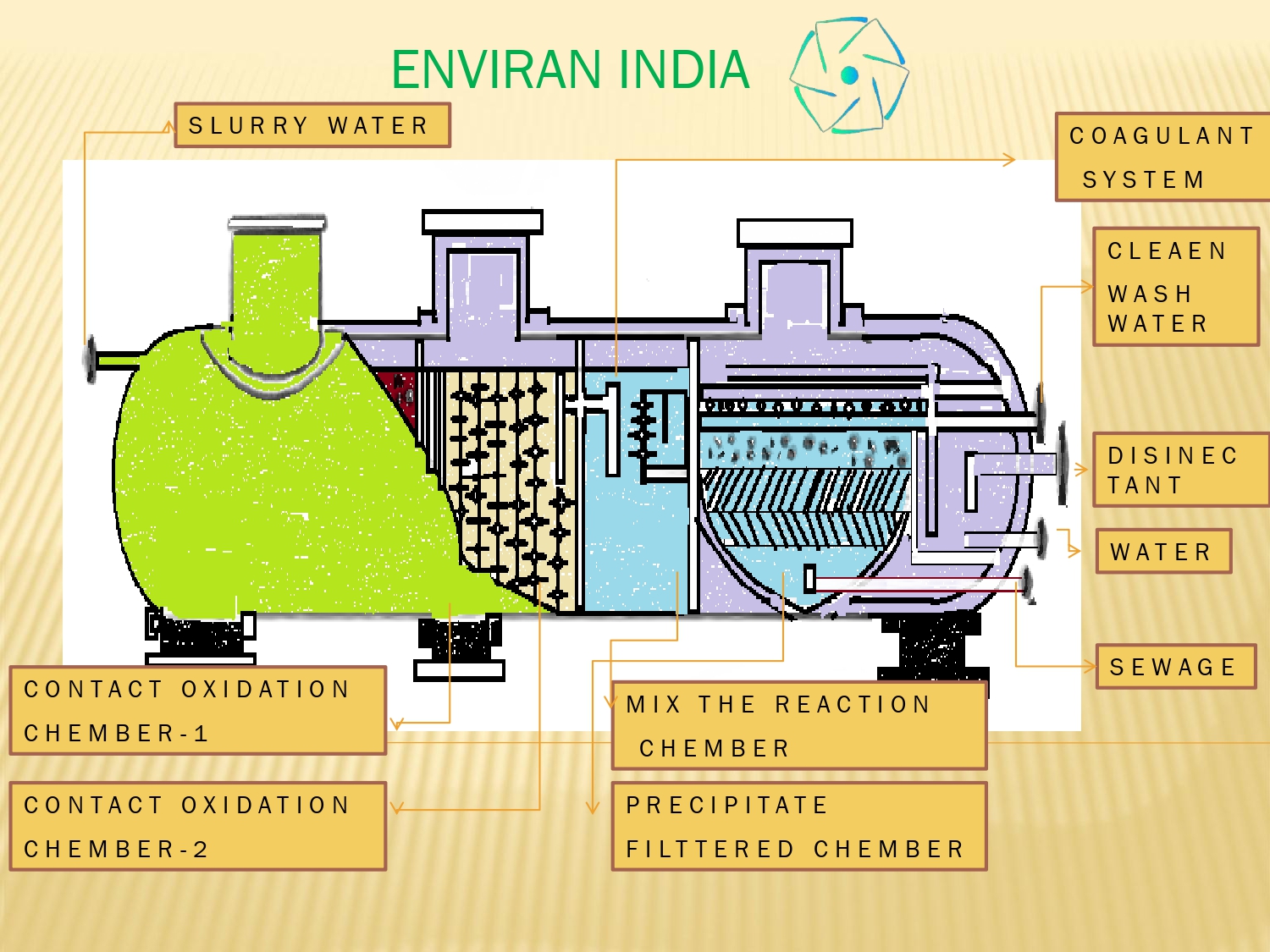
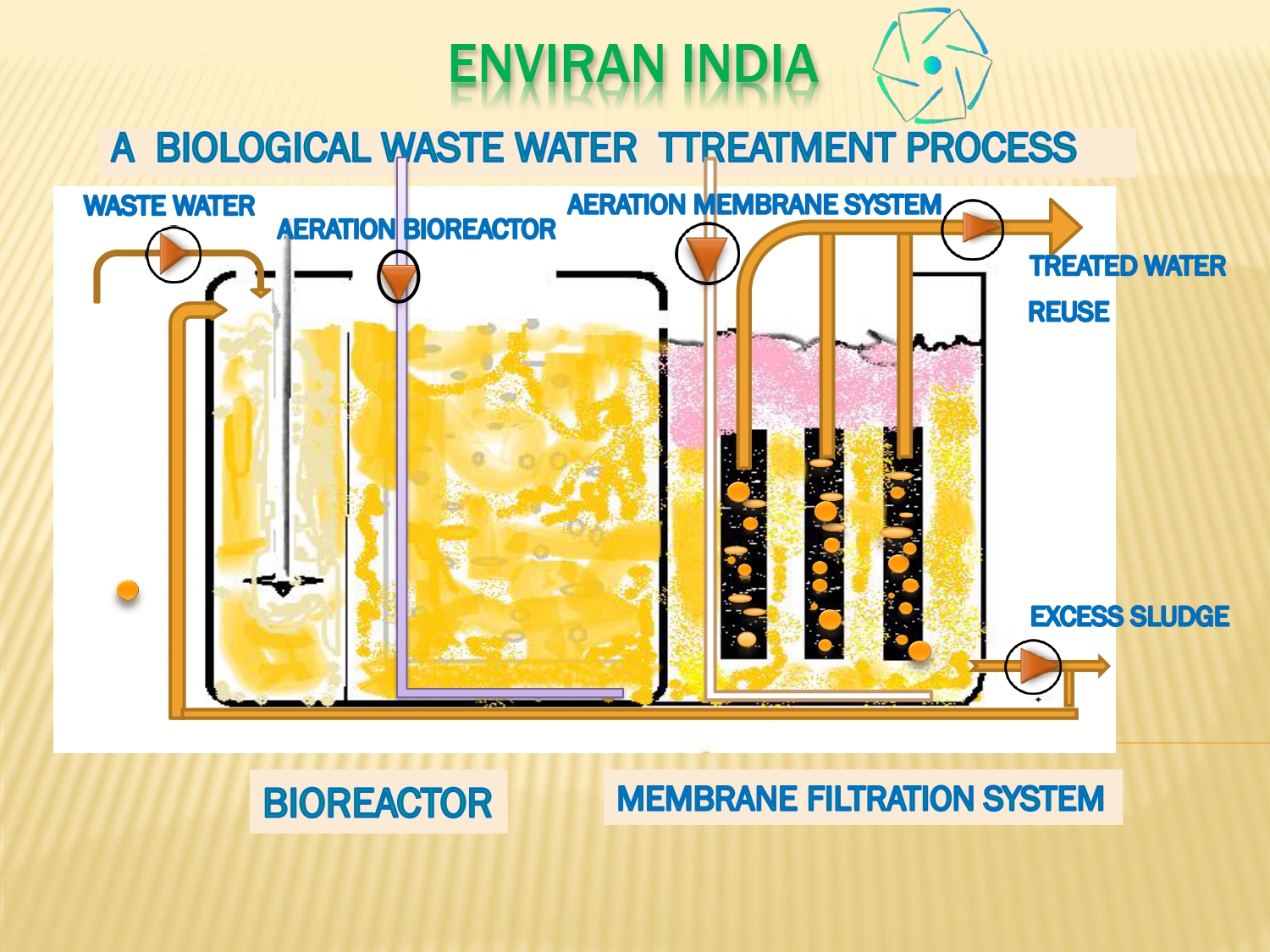
Dairy effluent treatment plants, commonly referred to as Dairy ETPs, are specialized wastewater treatment facilities designed to address the unique challenges posed by the dairy industry’s wastewater. Dairy processing generates significant amounts of wastewater that contain various pollutants, including organic matter, fats, proteins, and nutrients, making proper treatment essential.
Dairy ETPs are critical for ensuring compliance with environmental regulations, minimizing the environmental impact of dairy operations, and optimizing resource recovery
The treatment process within a Dairy ETP typically consists of several stages aimed at removing contaminants and pollutants from the incoming dairy wastewater. These stages may vary in complexity depending on the size and specific needs of the dairy processing plant. Here’s a simplified overview of the key steps involved in the Dairy ETP process:
In conclusion, Dairy Effluent Treatment Plants are integral to the dairy industry’s commitment to environmental responsibility and sustainability. These facilities ensure that dairy wastewater is treated effectively, minimizing its impact on the environment and offering opportunities for resource recovery, such as biogas and nutrient-rich sludge, thus contributing to the circular economy.